

By Melissa Monroe, LoKate Member
There were many days during nursing school when I walked through hospital hallways and thought about my dad. Sometimes it was the smell of the hospital. Sometimes it was the sounds. Sometimes it was a patient who reminded me of him. And sometimes, there was no obvious trigger at all. I would simply be walking, doing what I needed to do, and suddenly remember, my dad is really gone.
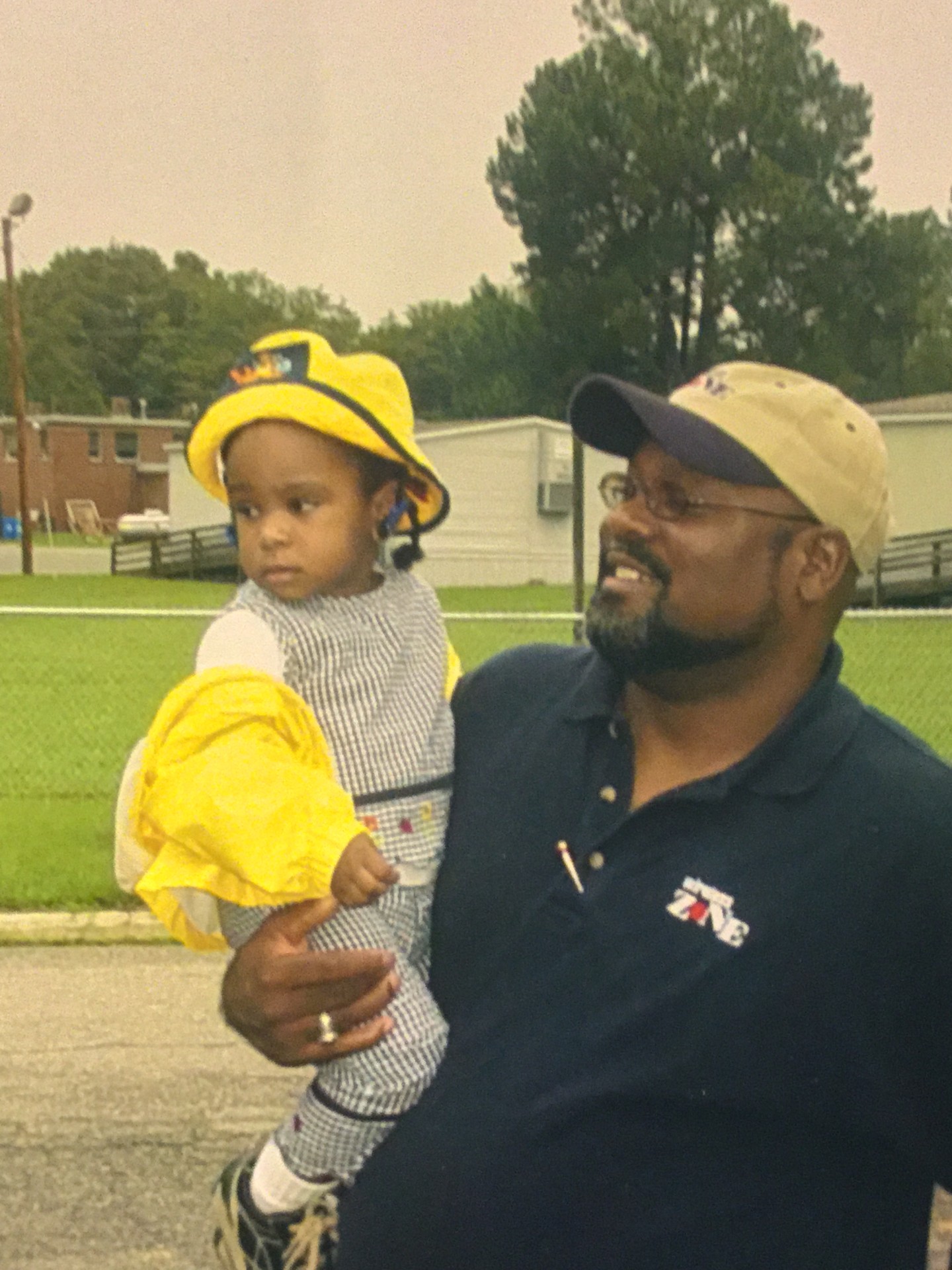
Grieving the death of my dad
My dad died when I was 22 years old in 2024, around the beginning of my journey toward earning my Master of Science in Nursing. Losing him was one of the hardest things I had ever experienced. Trying to continue nursing school while grieving him felt almost impossible at times.
One thing grief has taught me is this: You can do hard things, as my sister has famously said since my dad passed. That does not mean you will do them without crying or understand why you have to go through them. Sometimes doing the hard thing simply means getting up and doing the next thing.
Adjusting to a new “normal”
After my dad died, the world did something that I think surprises a lot of grieving people, it kept going. Classes still had deadlines. Clinicals still started early. People were still laughing, making plans, and living their normal lives while mine felt completely different.
I wanted the world to acknowledge what had happened. My dad died. How could everything keep moving? But it did. And somehow, so did I. I traveled more than an hour to classes and clinicals while working and carrying grief that people could not always see. I cried a lot! There were times when grief made me sad, irritated, distracted, or exhausted.
I learned that grief is not always crying in your bedroom. Sometimes it is sitting in a room full of people and suddenly not hearing the conversation because your mind has gone somewhere else. Sometimes it is wanting to be alone. Sometimes it is frustrating that everyone else seems normal when you feel anything but normal.
For me, faith became a major part of learning how to keep going. There were days when I knew the strength I had was not my own. I had to trust God even when I did not understand why my story included losing my dad so young.
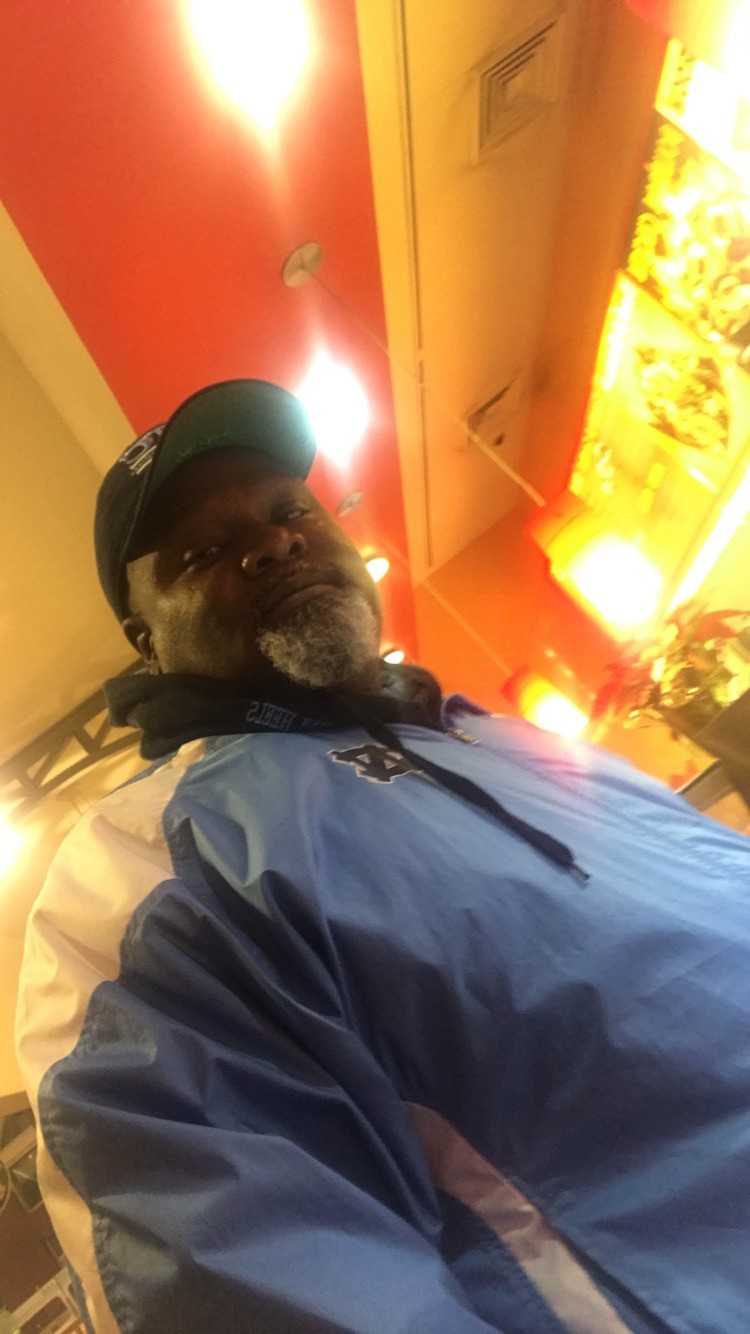
Honoring my grief through my work
One of the hardest and most meaningful parts of my journey came later when I completed my nursing practicum at the same hospital where my dad died. I cannot fully explain what it felt like to walk those hallways again, not as his daughter coming to see him, but as a nursing student caring for other people and their families. It was painful. It was also full circle.
There I was, learning how to care for patients during vulnerable moments while remembering what it felt like to be the family member on the other side of that care. Losing my dad changed the way I see patients and families. When I advocate for someone, comfort them, explain something one more time, or make sure they feel heard, I understand that I may be part of a moment their family remembers forever. My grief became part of the nurse I was becoming.
That does not mean I am grateful that my dad died. I would choose to have him here! It means that because I could not change what happened, I had to decide what I would do with the life I still had.
Eventually, I graduated with my MSN. Then I studied for the NCLEX and passed on my first attempt, officially becoming a registered nurse. Those accomplishments mean something different to me because I know what it took to reach them. When people see the graduation pictures, the degree, or the letters “RN,” they see the outcome. They do not necessarily see the girl walking through hospital hallways thinking about her dad. They do not see the tears, the grief waves, the long drives, or the moments I had to ask God for enough strength to keep moving. But I see her. And I am proud of her.
Grief and joy can coexist
My biggest takeaway from grief is not that everything eventually becomes easy. I do not think grief works that way. My dad is still my dad. I still miss him. What has changed is that I now know pain and purpose can exist in the same story.
You can miss someone terribly and still laugh. You can be grieving and still accomplish something incredible. You can have days when you are not okay and still be growing. You can carry pain in your heart and still have so much love to give. Most importantly, you can do hard things.
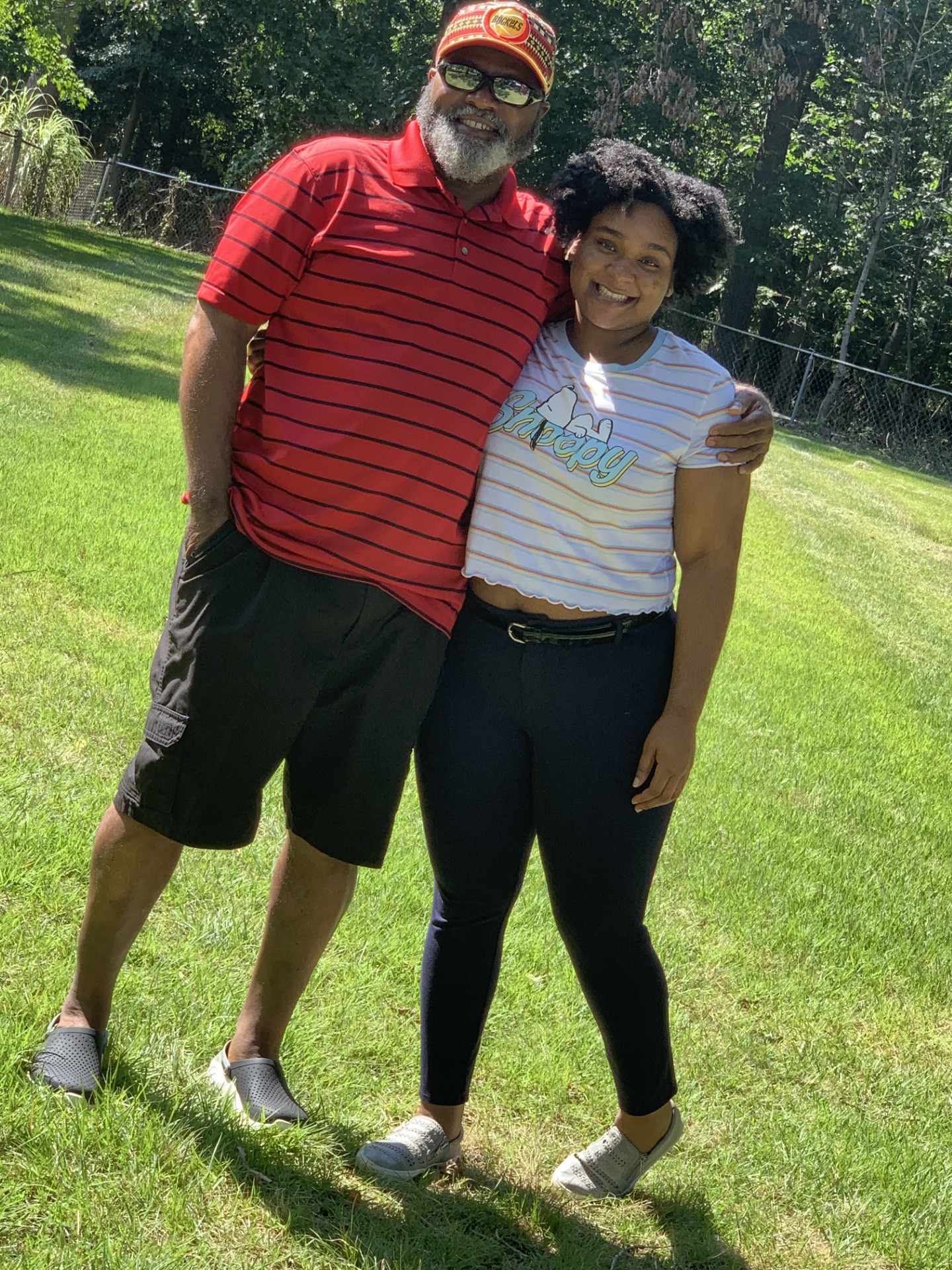
Maybe your hard thing does not look like mine. Maybe getting through today is your hard thing. Maybe it is returning to a place filled with memories. Maybe it is celebrating a milestone without the person you desperately wish were there. Maybe it is figuring out who you are after losing someone who was such a big part of your life. Whatever it is, doing hard things does not require you to stop grieving. Sometimes courage looks like walking through the same hallway that once broke your heart and realizing that somehow, by the grace of God, you kept walking. And you are still here.
Where can I get grief support in Georgia?
Kate's Club empowers children and teens, their families, and young adults facing life after the death of a parent, sibling, caregiver or someone important to them. The organization builds healing communities through recreational and therapeutic group programs, education and advocacy. Since its founding in Metro Atlanta in 2003, Kate’s Club has served thousands of individuals who are grieving, through both member and outreach services. Kate's Club offers services in Metro Atlanta, Southwest Georgia, Northeast Georgia and Coastal Georgia.