


I didn’t know that my mom kept everything. Literally, everything. Ballet programs from my years spent dancing, report cards dating back to kindergarten, even the third grade math quiz I got a 50% on (not my best). Stacks of papers showcasing every facet of my childhood, saved in a box for me to sort through years later.
What is it like to experience anticipatory grief?
My mom died in 2022 after a decades-long struggle with alcoholism. Our relationship wasn’t straightforward. I watched her addiction and mental health issues slowly take things from her: her health, her relationships, and eventually, the version of my mom I once knew. My grieving process didn’t start when she died, it had already begun years earlier when she was still living. The grief just changed.
Now, my grief for my mom isn’t just about missing her. It’s about trying to hold all of the versions of her that I knew at once.
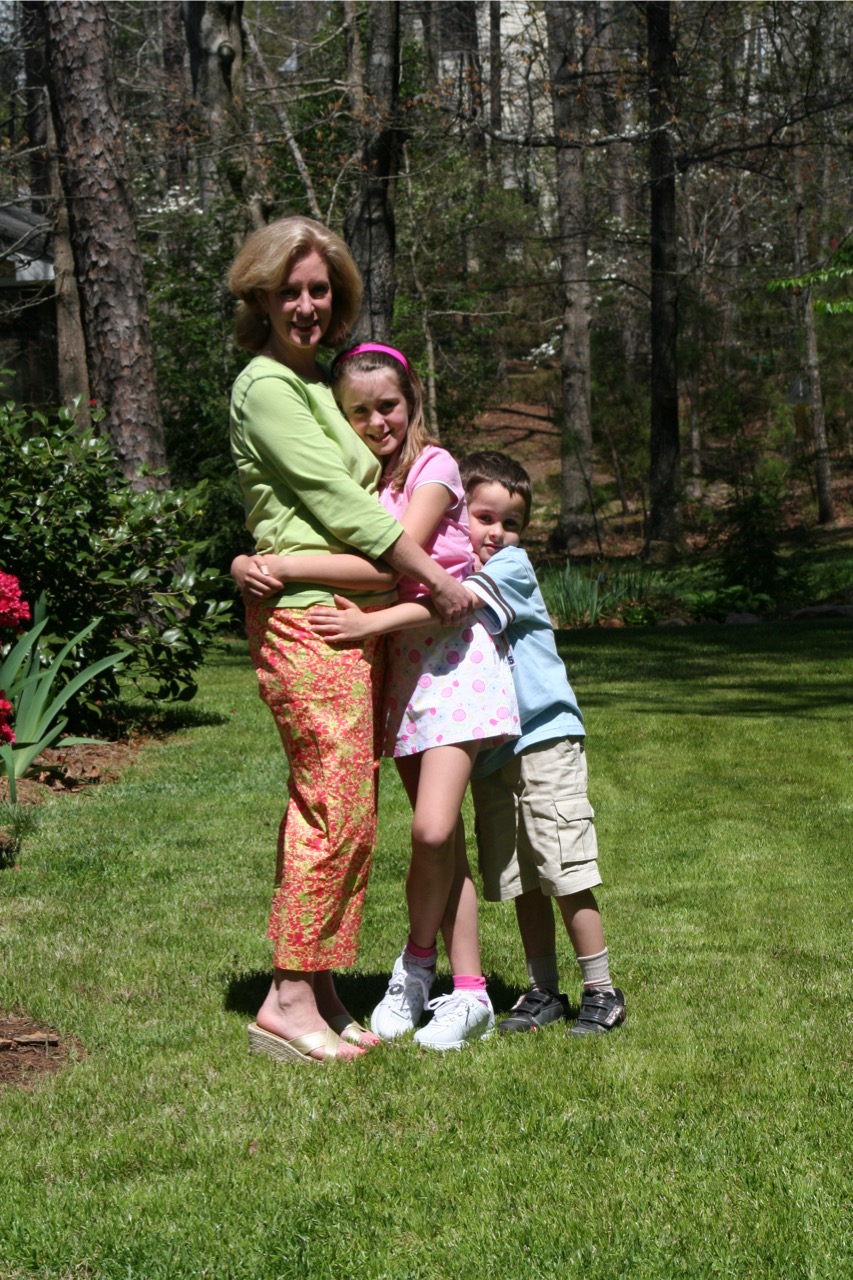
Remembering my mom who died in honor of Mother’s Day
My mom wanted to be a mom more than anything. People have told me that for years, and I believe it. I have all of the ephemera from my childhood to prove it: report cards, programs, carefully saved pieces of my childhood. And, I have the memories: her volunteering at school events, our annual mother/daughter trips, and all of the ways that she went out of her way to create magic for my brother and me as kids.
When we were young, we would play this game before bed. My mom would take turns lifting my brother or I onto her back and sing the song, “We’re going on a bear hunt, we’re gonna catch a big one…” As she would sing, she would march us through her bedroom and into her long, hallway-like closet, with the lights turned off. The anticipation would build as she sang and we trekked deeper into the closet, coats hitting our faces. When we got to the back of the dark closet, she would pause then yell, “Ah! It's a bear!” and run as fast as she could (with us still on her back) into the safety of the well-lit bedroom. For some small children this might be a terrifying way to rattle our sense of safety, but my brother and I loved the thrill of the adventure into the depths of the closet. And we were safe because our mom was there.
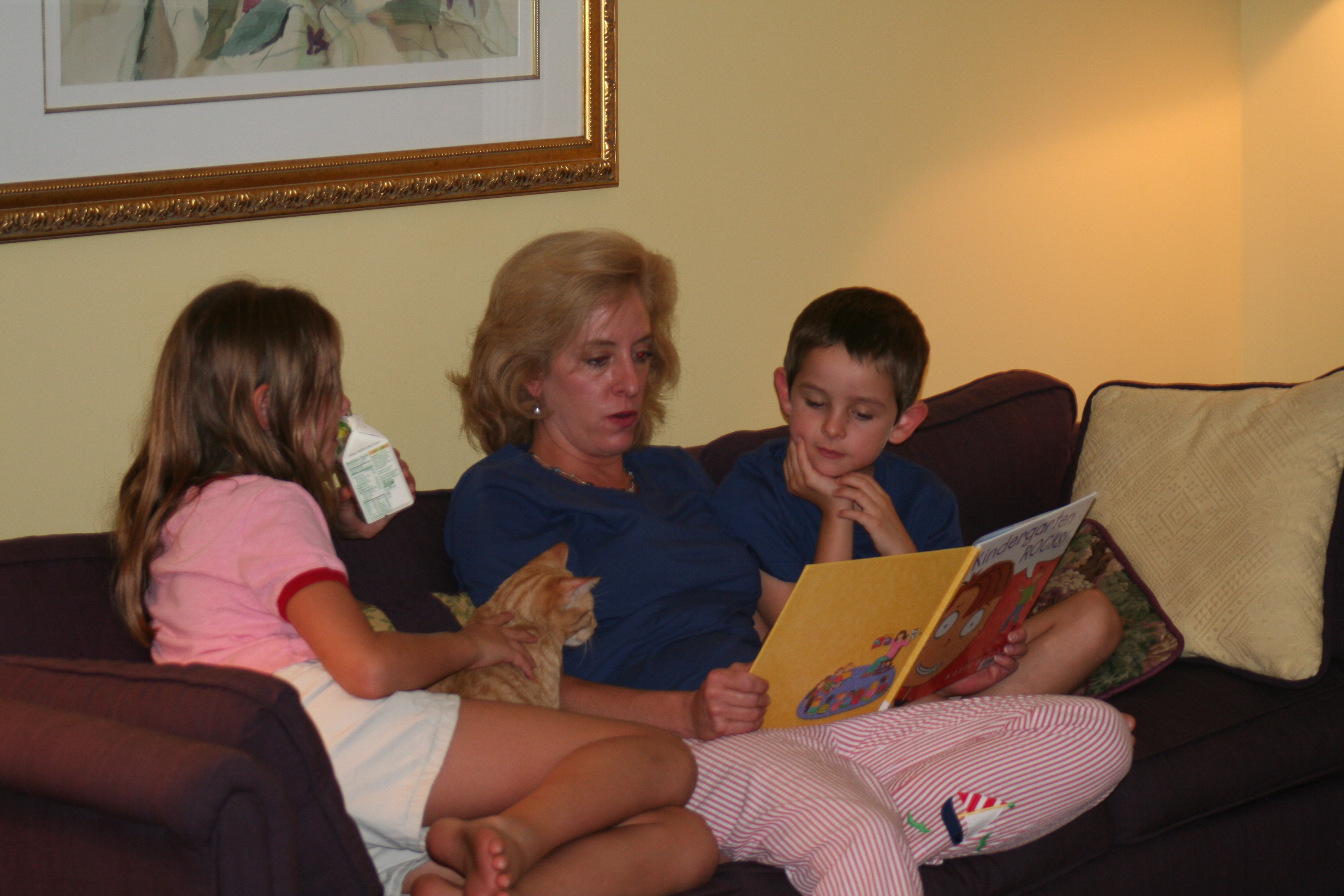
Learning more about my mom after she died
My story starts with my mom, but her story started long before I came along. Alongside the pieces of my childhood stored in these boxes, I found glimpses of her life. There is a stack of polaroids of my mom in her early 20’s lounging in a bikini on a boat (okay, Laurie!!). There are photos from her high school prom and her days as a cheerleader. I even found her passport, stamped with far-away countries.
There are pieces of her that I never knew existed and now only get to glimpse.
I wish I had known these parts of her while she was still living. When we are young, our parents exist in our minds in the certainty of parenthood, separate from the people they were before us.
We don’t see them as the full, complex people that they are until we grow up. There was so much more to my mom’s story that I couldn’t see because I had on the blinders of adolescence.
Now, I sometimes wonder what it would be like if I could sit down with my mom as she was at my age and have dinner as if we were friends. I am 28 now. I know some facts about who she was at 28: she was still several years away from becoming a mom, she traveled, had a cat. But what was she actually like?
I wish I could have known that version of her. I think we would have been good friends.

The funny thing about death is that we think it will reduce the person we lost, but it can actually expand someone beyond how we knew them during their life. I am learning so much about my mom that I never had a chance to learn while she was still alive.
My grief for my mom will never be straightforward. But loving a complicated person is still love. Death doesn’t ask us to simplify people, it asks us to hold all of them at once; every complex piece that makes us human. This Mother’s Day, I am creating space for all of the versions of my mom that I was fortunate to know and those I am still meeting.
Where can I find grief support in Georgia if my mom died?
Kate’s Club empowers children and teens, their families, and young adults facing life after the death of a parent, sibling, caregiver or someone important to them. The organization builds healing communities through recreational and therapeutic group programs, education and advocacy. Since its founding in Metro Atlanta in 2003, Kate’s Club has served thousands of individuals who are grieving, through both member and outreach services. Kate's Club offers services in Metro Atlanta, Southwest Georgia, Northeast Georgia and Coastal Georgia.