

%20Large.jpeg)
As a Certified Child Life Specialist, I’ve walked alongside families through their grief more times than I can count throughout my career. In my clinical days, I was often at the hospital bedside as families got unimaginable news, or even entering a room during/immediately after a child’s death, when grief was at its most raw.
During my years working for a medical camp, I was the person families called in tears when their child’s cancer came back, and the one supporting a child who was returning to camp for the first time after the death of their sibling.
And now, at Kate’s Club, I am using my Child Life background to support families in all stages of their grief, as they find ways to talk about their person who died and stay connected to them.
In honor of Child Life Month, here are a few of the moments of grief and connection that have stuck with me most over the years.
What happens when kids are dying at a children's hospital?
In the hospital, grief came in all forms. I supported families through the shocking grief of sudden, traumatic deaths, as well as the anticipated and drawn-out grief of deaths due to long illnesses.
I met many different families from all different races, religions, and circumstances, each with their own beliefs surrounding death and grief…but regardless of who I was working with or how their person died, the common theme I always took with me was connection.
My goal was always to hold space for families to grieve in the way that worked best for them, while also helping to provide them with something tangible to remember their person by.
One family I worked with had a young teen daughter, Bella*, who was dying of cancer. Leading up to her death, I spent time working with Bella to create her own “last wishes” document, which would later serve as a point of connection between her and her family, even after she was gone.
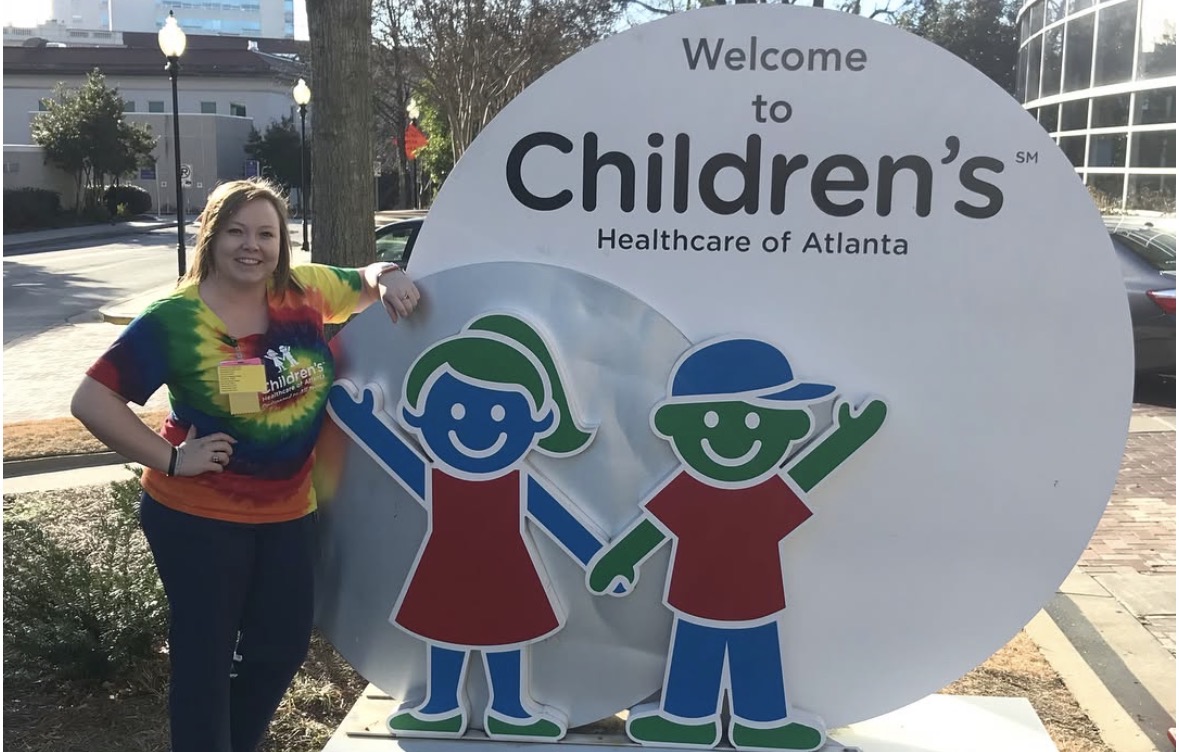
Together, Bella and I talked about what she might want to wear at her funeral, what songs she might want played, and more. We also made various art projects with her family, including a “family tree” project made up of all of their fingerprints for the family to frame.
When Bella died, I read books with her younger sister to help her understand the concept of death, and worked with the family to create a beautiful ceramic mold of all of their hands, intertwined together with Bella’s forever.
These keepsakes helped to create tangible connections between Bella and her family, giving them a way to represent her memory visually in their home in her absence. The family shared that they used Bella’s “last wishes” document to help them plan her funeral, and that it was so special getting to laugh together about the songs she had selected. It made them feel closer to her.
I cherish the memory of working with that family to help create something beautiful in the midst of their grief, because it reminds me of the power of having a physical representation of their connection to their person who died - something that they can touch when they need a little reminder of their person.
How can a child life specialist help kids who are grieving the death of a sibling?
One of my favorite things about camp (including Camp Good Mourning, which is coming up soon!) is that it’s all about building connection. Working at a medical camp as a Child Life Specialist, I focused on connecting children with cancer and their siblings to other kids who had been through the same journey.
Just like at Kate’s Club, it was incredibly special to see the way that these kids just understood each other, especially those kids who had lost their siblings. For kids who have experienced this grief, maintaining their connection to their sibling who has died is just as important as connecting them to their peers at camp.
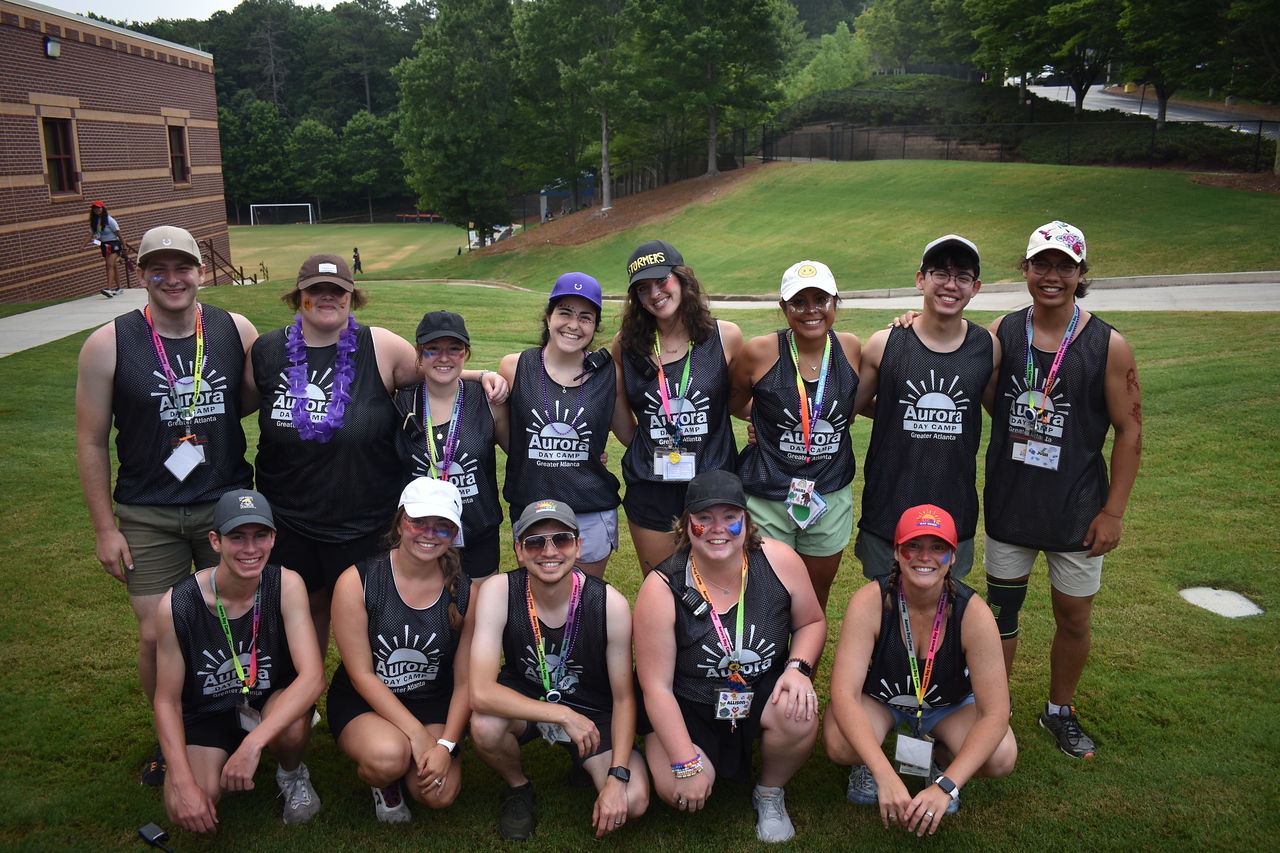
During my first year working at camp, I met an incredibly sweet family with three children, the youngest of which (Otto) was the child with cancer. Throughout two summers at camp, I watched Otto conquer all expectations, including getting up out of his wheelchair to participate in yoga classes! Even as his health declined, Otto insisted on coming to camp and participating in our annual Talent Show, getting up on stage alongside his big sister Lily to tell jokes and make his friends smile.
After Otto died, Lily and her brother Harold returned to camp the next summer - a place that held so many memories for the 3 siblings. One day, I was passing by Lily’s unit, and I saw her off to the side by herself, just watching a child out on the field.
As I followed her gaze, I noticed that she was watching a kid who was about the age Otto had been when he died, who happened to also be in a wheelchair. I walked over to where she stood, and just put my arm around her without saying anything.
After a moment, Lily said “that kid reminds me so much of Otto. It’s so hard being back at camp without him…it feels like nobody remembers him or even knows who he was. I’m so glad I have you to talk about him and share memories with.”
That moment will always hold such a special place in my heart, because it reminds me of the power of holding space for those in grief to just talk about their person and remember them.
How can child life specialists be grief-informed?
Sometimes, I think we as a society are hesitant to talk to others about their person who has died. We may worry that we will make the person sad, or that saying their person’s name or telling a story about them will make them cry. But I think what we often forget is that those moments give someone an opportunity to share something about their person and keep their memory alive, or perhaps even learn something new about their person, if we are able to share a story they may not have heard before.
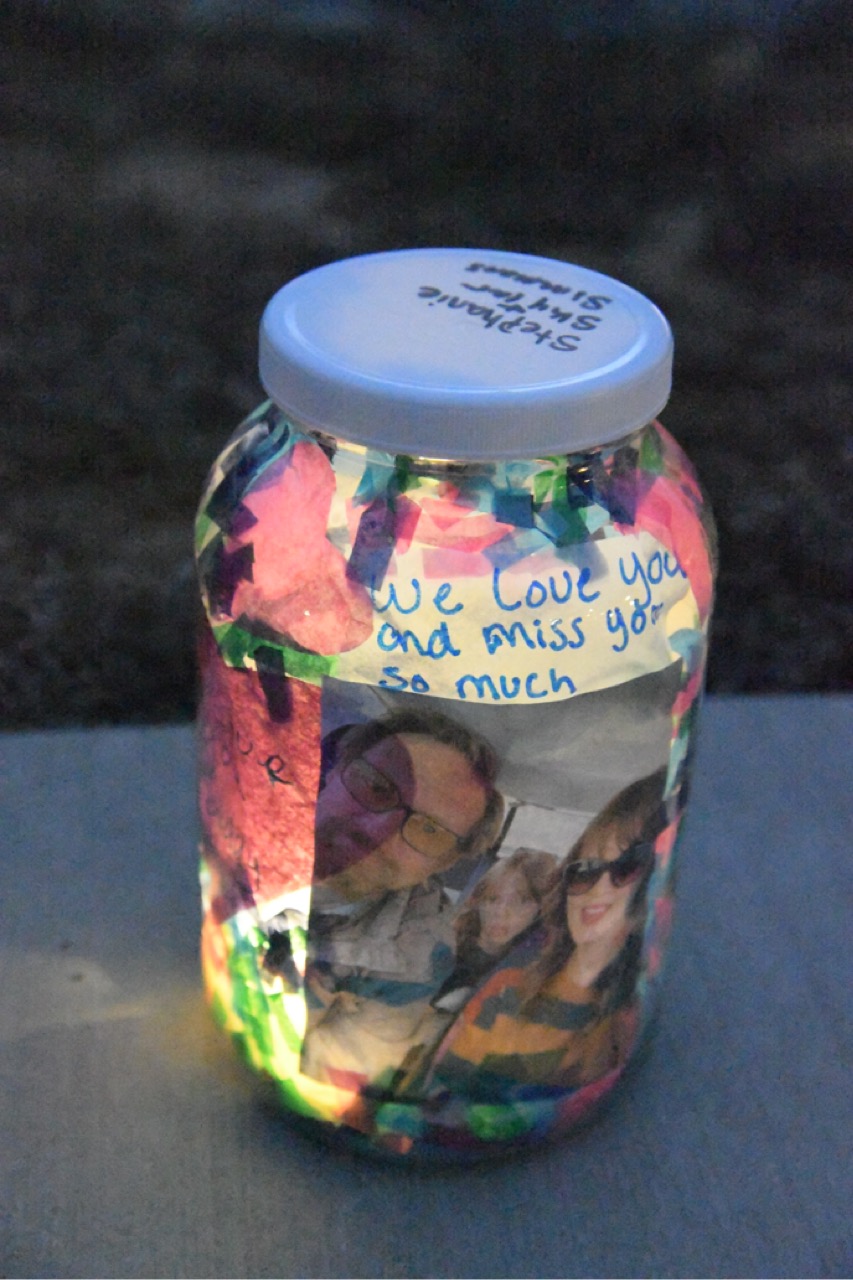
These moments of connection provide support to grievers, and are the essence of what the work of a Certified Child Life Specialist is all about. This Child Life Month, I hope to give more moments of connection to the families at Kate’s Club, and learn the stories of their people who have died, so that we may keep their memories alive together.
Free grief support for child loss and sibling loss in Georgia
Kate’s Club empowers kids and teens, their families, and young adults facing life after the death of a parent, sibling, caregiver or someone important to them. The organization builds healing communities through recreational and therapeutic group programs, education and advocacy. Since its founding in Metro Atlanta in 2003, Kate’s Club has served thousands of individuals who are grieving, through both member and outreach services. Kate's Club offers services in Metro Atlanta, Southwest Georgia, Northeast Georgia and Coastal Georgia.
*Names have been changed to protect patient/member privacy.